Chelline Script: A Designer's Guide to This Elegant Typeface
There’s a specific feeling you get when a design just clicks. It’s not about a complex layout or a revolutionary idea. Often, it comes down to a single, perfectly chosen element. In the world of typography, that element can be a typeface that carries a distinct personality. You’ve probably seen it—a logo that feels instantly luxurious, an invitation that whispers sophistication, or a social media post that looks effortlessly chic. More often than not, the secret ingredient is a well-crafted script font.
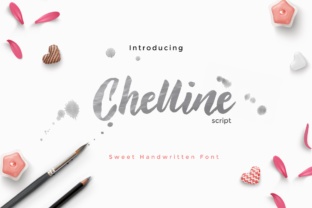
This is where Chelline Script enters the conversation. It’s a premium font designed to infuse projects with an elegant, flowing character. Think of it less as a simple tool and more as a design asset with a voice. Its connected, cursive letterforms mimic the fluid motion of a skilled calligrapher’s hand, offering a blend of classic charm and modern refinement. Unlike some overly ornate scripts that can be difficult to read, Chelline strikes a balance. It maintains a graceful flow while ensuring each letter remains legible, a crucial quality for any creative font you plan to use in professional work.
The Visual Character of Chelline Script
At its core, Chelline is a display font. Its purpose is to command attention in headlines, logos, and other focal points. The visual personality is one of understated confidence. The strokes have a natural, varying weight that adds depth and a human touch. The connections between letters are smooth, creating a rhythm that guides the eye along the text. This isn’t a handwritten font that feels casual or childlike; it’s a polished script font that communicates care and quality. Its aesthetic leans towards the romantic and the luxurious, making it a natural fit for projects where emotion and perception are key.
Where Does Chelline Shine? Practical Applications
The real test of any typeface is how it performs in the wild. Chelline’s versatility is one of its strongest suits, allowing it to adapt to a wide range of mediums while maintaining its elegant core identity.
For Branding and Logo Design
A logo is the cornerstone of a brand identity. Using Chelline Script for a logo instantly sets a tone of sophistication and personal attention. It’s particularly effective for brands in the lifestyle, beauty, wedding, artisanal food, and boutique retail spaces. Imagine it gracing the logo of a high-end florist, a custom jewelry designer, or a luxury candle maker. The font does the heavy lifting of conveying premium quality before a customer even reads the brand name. However, a key consideration is your target audience. If your brand’s voice is rugged, industrial, or ultra-modern and minimalist, Chelline might feel misaligned. It’s a creative font for brands that want to feel approachable yet refined.
In Marketing and Digital Content
For social media graphics, Chelline can elevate a simple post into a piece of eye-catching content. Use it for a quote graphic, a sale announcement, or a header in a digital newsletter. Its elegance helps content stand out in a crowded feed. In web design, it’s best used sparingly. A script font as a body text is a recipe for eye strain. Instead, deploy Chelline for hero section headlines, pull quotes, or special call-to-action buttons to draw attention without sacrificing the readability of your primary sans serif font or serif font used for paragraphs.
For Print and Packaging Design
This is where Chelline truly feels at home. Its modern typography sensibility is perfect for editorial design in magazines or lookbooks, especially for feature titles or chapter headings. In packaging design, it can transform a product label, making a box of artisan chocolates or a bottle of premium olive oil look irresistible. Think of wedding invitations, greeting cards, and event posters. The font adds a layer of personal touch and elegance that generic system fonts simply cannot match. It turns a simple piece of print into a keepsake.
Making Chelline Work for Your Project: A Practical Guide
Choosing a font is a strategic decision. Here’s how to evaluate and implement Chelline Script effectively.
First, consider the font pairing. A script font rarely works well in isolation for a complete project. The general rule is to pair a decorative font with a neutral one. Chelline pairs beautifully with a clean sans serif font like Montserrat or Lato for a contemporary look. For a more classic, editorial feel, try it with a traditional serif font like Garamond or Baskerville. The key is to let Chelline be the star for headlines or accents, and let its partner handle the legible body copy.
Next, always test for readability. Zoom out on your design. Can you still decipher the words? This is especially important for logos that might be viewed small on a mobile screen or for text on a busy background. The elegant swirls of a script font can sometimes blur together if the size is too small or the contrast is low.
Finally, understand the license. Chelline is a commercial font, which means you are purchasing the right to use it in your projects, whether for a client or for your own business. Always review the specific license terms that come with your purchase. Typically, these licenses cover use in logos, websites, printed materials, and merchandise, but it’s your responsibility to ensure compliance, especially if you plan to use it on products for sale or in digital templates you distribute.
In the end, a typeface like Chelline is more than just a set of letters. It’s a design tool with a distinct personality. Used thoughtfully, it can articulate a brand’s elegance, elevate a marketing campaign, and add a layer of professional polish that resonates with an audience. Its value lies not just in its beauty, but in its ability to communicate a specific, refined feeling consistently across every touchpoint of your project. When you need to say something with grace and confidence, it’s a font worth considering.