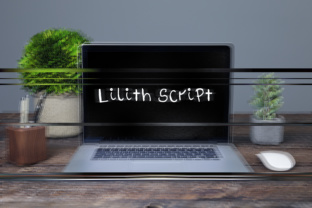
Bring Warmth to Your Designs with Lilith Script
There is a distinct shift happening in modern typography. For years, digital spaces were dominated by sterile, geometric sans serif fonts that prioritized function over feeling. While those are still excellent for body copy, they often lack the human touch needed to make a brand feel approachable. This is where the resurgence of high-quality handwritten fonts comes into play. Lilith Script represents the best of this trend—a typeface born from an old typography project that has been refined into a versatile tool for creators who want to inject personality into their work without sacrificing professionalism.
Unlike many free fonts that look pixelated or unbalanced, Lilith Script was designed with a relaxed, flowing aesthetic. It mimics the natural inconsistencies of handwriting, offering a rhythm that feels organic. It is not just a display font; it is a design asset that can bridge the gap between casual communication and polished branding. Whether you are a small business owner drafting a newsletter or a graphic designer working on a logo, understanding how to leverage this specific style of script font is key to connecting with your audience.
The Anatomy of a Relaxed Typeface
To use a font effectively, you have to understand its personality. Lilith Script is best described as a modern typography take on classic calligraphy. It avoids the overly formal, copperplate style of wedding invitations, yet it steers clear of the messy, illegible scrawl often found in "grunge" font packs. Instead, it sits comfortably in the middle ground. It features soft curves and a consistent baseline that guides the eye, making it incredibly readable even at smaller sizes.
The visual characteristics of Lilith Script lean towards warmth. The letterforms have a slight bounce to them, suggesting movement and energy. This makes it a prime candidate for projects that require a creative font with a feminine or youthful edge, though it is robust enough to be used in neutral contexts. It functions beautifully as a display font for headlines, where the full beauty of the ligatures and swashes can be appreciated. When you look at the individual characters, you will notice that the connections between letters are fluid, avoiding the awkward breaks that plague lesser script fonts.
This type of handwritten font is particularly effective because it triggers an emotional response. In a world of automated emails and AI-generated text, seeing a script typeface suggests that a human is behind the message. It builds immediate rapport. For entrepreneurs and bloggers, this psychological trigger is invaluable. It turns a static block of text into a conversation.
Strategic Applications: From Branding to Packaging
Knowing what Lilith Script looks like is one thing; knowing where to use it is where the strategy comes in. As a versatile premium font, it adapts to various mediums, but it shines brightest in specific scenarios.
Elevating Brand Identity and Logo Design
For startups and small businesses, logo design is often the first major hurdle. A logo needs to be memorable, scalable, and reflective of the company's values. Lilith Script works exceptionally well for brands in the lifestyle, beauty, wellness, and artisanal food sectors. Imagine a coffee shop logo or a boutique clothing label; the relaxed nature of the font suggests that the experience will be welcoming and personal.
However, brand identity goes beyond just the logo. It extends to business cards, letterheads, and packaging. Using Lilith Script for accent text on these items creates a cohesive look. For example, while the main body of a business card might use a clean sans serif font, the tagline or the owner's name in Lilith Script adds a signature touch that feels exclusive.
Digital Domination: Web and Social Media
In web design, readability is paramount. You should generally avoid using script fonts for paragraph text on a website because the eye tires quickly when reading cursive on screens. Instead, use Lilith Script for large hero headers, pull quotes, or call-to-action buttons. The font’s high contrast and distinct shapes make it perfect for grabbing attention immediately upon landing on a page.
Social media graphics are another area where this font excels. Platforms like Instagram and Pinterest are visual-first. When creating quote graphics, story backgrounds, or promotional banners, a creative font like Lilith Script stops the scroll. It adds a layer of polish to DIY graphics that standard system fonts simply cannot provide. It helps content creators and influencers maintain a consistent aesthetic feed, which is crucial for audience retention.
Tangible Products: Editorial and Packaging Design
For those in the publishing world, editorial design requires a delicate balance of hierarchy. Lilith Script is an excellent choice for chapter titles, drop caps, or pull quotes in magazines and lookbooks. It provides a stark visual contrast to a standard serif font used for body copy, helping to break up the text and guide the reader through the layout.
Packaging design is where the tactile nature of the font really comes to life. If you are selling handmade goods, candles, or cosmetics, the unboxing experience is part of the product. Lilith Script on a label suggests that the product inside was crafted with care. It mimics the look of a handwritten note, which psychologically elevates the perceived value of the item.
Mastering the Art of Font Pairing
One of the most common mistakes in design is using a script font for everything. Lilith Script is powerful, but it needs partners to do its job effectively. Font pairing is the practice of combining two or more fonts to create contrast and hierarchy. Because Lilith Script has a lot of personality, it pairs best with fonts that are quiet and structured.
A classic combination is pairing a script font with a geometric sans serif. The clean lines of the sans serif ground the fluidity of the script. For a more traditional look, you could pair it with a transitional serif font. The key is to ensure that the x-heights and weights are compatible. You want the fonts to look like they belong to the same family, even if they are different styles.
When testing pairings, pay attention to the visual hierarchy. Use Lilith Script for the "hero" text—the most important message you want to convey. Use your secondary font for the supporting information. This ensures that your message is understood instantly, while the design remains aesthetically pleasing.
Practical Considerations for Professional Use
Before integrating any new typeface into your workflow, you need to consider the technical and legal aspects. While Lilith Script was originally a fun project, its utility has grown, and it is often sought after as a commercial font for professional endeavors.
First, always check the licensing. If you are using the font for a client's logo design or a product for sale, you need to ensure you have the rights to do so. Many "free" fonts are only free for personal use. Using a properly licensed font protects you and your clients from legal headaches down the road.
Second, test for readability across different devices. A font that looks beautiful on a high-resolution desktop monitor might look muddy on a small mobile screen. Resize the text, check the spacing (kerning), and ensure that the letters don't overlap awkwardly in digital environments. Lilith Script is designed with readability in mind, but context matters. A dark background with white text requires different handling than a black-on-white layout.
Finally, consider the file formats. Ensure you have the correct files for your software, whether it is Adobe Illustrator, Photoshop, or Canva. Having access to different styles—such as bold or italic variations—can also expand your creative options, allowing you to maintain the same typeface while creating emphasis where needed.
The Verdict on Creative Assets
In the crowded market of design assets, it is rare to find a font that balances fun and function so well. Lilith Script is not just another pretty face; it is a workhorse for creative professionals who need to add a human element to their digital and print projects. From packaging design to social media graphics, it offers a consistent voice that speaks of creativity and warmth. By using it thoughtfully and pairing it with complementary typefaces, you can elevate your designs from amateur to artisanal.