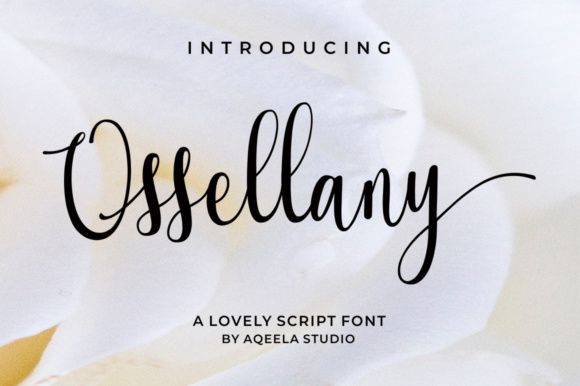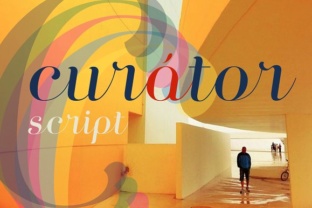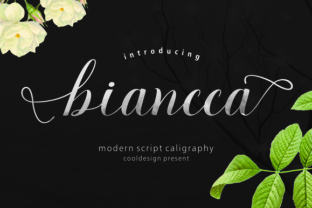
Yusniar Script: Elevating Your Designs with Modern Calligraphy
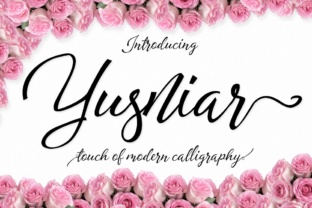
If you’ve ever stared at a blank canvas feeling like your project is missing that final layer of polish, you know the struggle of finding a typeface that doesn’t just sit there, but actually speaks. In the crowded world of modern typography, it is rare to find a font that balances elegance with genuine usability. That is exactly where Yusniar Script enters the conversation. It is a modern calligraphy typeface that manages to feel handcrafted and organic without sacrificing the clean lines required for professional brand identity work. It bridges the gap between the warmth of a handwritten note and the sophistication of a high-end logo.
The Versatility of Modern Calligraphy
When we talk about a premium font, we aren't just talking about the price tag or the number of glyphs included. We are talking about utility. Yusniar Script is a display font that shines brightest when it is given room to breathe. It isn't a script font you want to use for long paragraphs of body copy; rather, it is the anchor for your headlines, logos, and hero sections. The visual personality of Yusniar is defined by its flowing connections and rhythmic baseline. It mimics the natural pressure variations of a brush or pen, giving your logo design or packaging design an immediate sense of human touch.
For entrepreneurs and small business owners, this font offers a specific strategic advantage. In a digital landscape saturated with rigid geometric sans-serifs, Yusniar provides a way to stand out. It works beautifully for wedding invitations, vintage-inspired posters, and greeting cards, but don't box it in. It is equally effective for a coffee shop menu, a boutique clothing label, or a lifestyle blog header. The visual appeal lies in its ability to convey emotion instantly. It feels romantic, nostalgic, and friendly, yet it retains a level of professionalism that ensures your audience takes you seriously.
Strategic Applications for Branding and Marketing
Understanding where Yusniar Script fits into your creative workflow is key to getting the most out of this asset. As a creative font, its primary strength is visual hierarchy. In editorial design, for instance, you can pair Yusniar with a clean serif font or a minimal sans serif font to create a striking contrast. The script draws the eye to the most important message—perhaps a pull quote or a chapter title—while the supporting type handles the heavy lifting of readability.
Consider the impact on social media graphics. On platforms like Instagram or Pinterest, you have a fraction of a second to capture attention. A handwritten font like Yusniar adds personality to static images that standard system fonts simply cannot match. It creates a mood. If you are a content creator promoting a workshop, a recipe, or a product launch, using Yusniar for your overlay text can significantly boost audience engagement. It feels personal, as if you wrote the message specifically for the viewer.
However, context is everything. Because Yusniar is a display font, readability drops significantly at small sizes. You should avoid using it for legal disclaimers, website footers, or mobile navigation menus. It is not a web design workhorse for body text. Instead, use it for the "hero" text on your landing page. Let it set the tone, then switch to a legible sans-serif for the "Buy Now" buttons and product descriptions. This approach ensures your brand identity remains consistent and professional without frustrating the user experience.
Pairing and Professional Implementation
One of the most practical aspects of working with Yusniar Script is its flexibility in font pairing. A common mistake in design is pairing a script font with another overly decorative typeface. This creates visual noise. Yusniar works best when contrasted with something structured. Try pairing it with a geometric sans-serif for a modern, trendy look, or with a classic serif for a more traditional, elegant vibe. This balance is crucial for brand consistency. It allows the script to act as the accent while the secondary typeface provides the structure.
Before finalizing a design, it is essential to evaluate the specific features of the font. As a commercial font, Yusniar often comes with alternates and ligatures. These are variations of specific letters that prevent the text from looking repetitive. For example, if you have two "o"s next to each other, a ligature can connect them fluidly, or an alternate glyph can change the shape of the tail. Toggling these features on and off is part of the design process. It allows you to customize the look so that even if two designers use the same typeface, their projects can look distinct.
Finally, always consider the medium. If you are working on print projects like business cards or brochures, ensure your tracking (letter spacing) is adjusted so the connecting strokes don't overlap too tightly. In digital environments, check the rendering on different screen sizes. A premium font like Yusniar is an investment in your design assets. By testing the font pairing