Harmony Script: Crafting Authentic Connection
There’s a specific feeling you get when you find the right typeface. It’s that moment when the font stops being just a tool and starts acting like a voice. In a digital world saturated with cold, geometric sans serifs, the warmth of a handwritten style can be a welcome relief. Harmony Script enters the conversation here, offering a signature style that bridges the gap between casual authenticity and polished professionalism. It’s not just another script font; it’s a design asset that brings a human touch to modern typography.
The Anatomy of a Signature Style
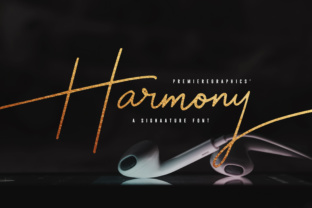
At first glance, Harmony Script feels familiar yet distinct. It captures the fluidity of natural handwriting without falling into the trap of looking messy or unrefined. This is a premium font that understands the balance between legibility and personality. The letterforms feature a natural flow, mimicking the slight variations you see in actual pen strokes. This quality makes it an ideal choice for projects that need to feel personal and approachable.
Unlike rigid typefaces, Harmony Script carries a rhythm. The connections between letters are smooth, creating a cohesive visual sentence that guides the eye effortlessly. It avoids the overly swirly, decorative ligatures that can make script fonts difficult to read. Instead, it opts for a clean, modern aesthetic. This makes it incredibly versatile. Whether you are designing a logo for a boutique brand or formatting a header for a lifestyle blog, this font adapts to the context. It feels at home in both digital and print environments, maintaining its clarity across different resolutions.
Visual Hierarchy and Brand Personality
Typography is the voice of your brand, and choosing Harmony Script is like choosing a tone that is confident, creative, and trustworthy. In graphic design, visual hierarchy is crucial. You need to guide your audience's attention to the most important information first. A script font like Harmony is rarely used for body copy—that’s the job of a sturdy serif font or sans serif font. However, for headlines, sub-headers, and pull quotes, Harmony Script shines.
Using this typeface establishes a clear distinction between primary messaging and supporting details. It draws the reader in with its charm, then hands them off to a simpler font for the heavy reading. This contrast creates a dynamic layout that is visually interesting but not exhausting. For brand identity, this font suggests that a business values creativity and individuality. It tells the audience that there is a human behind the logo, which is a powerful psychological trigger in marketing.
Practical Applications: Where Harmony Script Fits Best
The versatility of Harmony Script is one of its strongest selling points. It is a creative font that serves a wide range of industries. If you are a wedding planner or a stationery designer, this font is a natural fit for invitations and save-the-dates. It mimics the elegance of hand-calligraphy but offers the consistency required for professional printing. You get the bespoke look without the cost of hiring a calligrapher for every single envelope.
For digital creators and web design projects, Harmony Script works beautifully for hero images and landing pages. It immediately sets a mood. Imagine a photography portfolio site; using this font for the headers adds an artistic flair that complements the imagery without overpowering it. Similarly, in social media graphics, where attention spans are short, a handwritten style can stop the scroll. It feels less like an advertisement and more like a note from a friend, which increases engagement.
Packaging and Product Design
Product packaging design relies heavily on shelf appeal. Consumers often make split-second decisions based on visual cues. A commercial font like Harmony Script can elevate a product from generic to artisanal. Think about coffee bags, skincare bottles, or gourmet food labels. The script style implies care, quality, and a personal touch. It works exceptionally well for "flavor of the month" tags, special edition labels, or the main logo on artisanal goods.
When applying Harmony Script to packaging, consider the texture of the material. It looks stunning on matte finishes and textured papers, where the soft curves of the letters can interact with the grain of the paper. It pairs well with bold, geometric sans serifs for the nutritional information or instructions, ensuring that the design remains functional while still looking beautiful.
Mastering Font Pairings and Readability
A common mistake in editorial design is using a script font for everything. While Harmony Script is highly legible for a script, it should still be used strategically. The golden rule is contrast. Because Harmony has a lot of movement and personality, it needs a partner that is stable and quiet.
A classic pairing strategy involves combining Harmony Script with a geometric sans serif. The clean lines of the sans serif (like Montserrat or Open Sans) provide a solid foundation that grounds the flowing nature of the script. Alternatively, pairing it with a classic serif font (like Garamond or Lora) creates a more traditional, literary vibe. This is perfect for book covers or high-end editorial layouts.
When testing your font pairings, pay attention to weight and size. If your script font is too light or too small, it will disappear on screen. Harmony Script typically holds up well at medium to large sizes. Use it for H1 and H2 headings in your blog posts to inject personality, but switch to a legible sans serif for the paragraphs. This ensures your content is accessible to everyone, including those with visual impairments or reading difficulties.
Strategic Implementation for Professionals
For entrepreneurs and small business owners, investing in a premium font like Harmony Script is an investment in professionalism. Free fonts often come with limited character sets or licensing restrictions that can cause headaches later. A professional typeface usually includes a full set of punctuation, numerals, and often stylistic alternates.
Before finalizing your design, review the font's features. Does it have ligatures? Ligatures are special character combinations (like "th" or "ll") that flow together to improve readability and aesthetics. Using these subtle details separates amateur designs from professional ones. Also, check the kerning—the spacing between individual letters. High-quality fonts like Harmony usually have manual kerning adjustments, ensuring that "AV" or "To" don't look awkwardly spaced.
Licensing and Usage Rights
One practical aspect often overlooked is licensing. If you are using Harmony Script for a client's logo design or a commercial product, you must ensure you have the correct commercial font license. Most licenses differentiate between desktop use (for print), web use (for CSS), and app use. Always read the End User License Agreement (EULA). This protects you legally and supports the type designers who create these tools.
The Harmony Experience
Ultimately, choosing a typeface is about finding the right tool for the job. Harmony Script offers a blend of warmth, legibility, and style that is hard to beat. It doesn't just sit on the page; it communicates. It adds a layer of emotional resonance to your work, whether you are designing a wedding invitation, a website header, or a social media post.
It bridges the gap between the digital and the analog. In a world of pixels, it reminds us of the pen. For designers, marketers, and creators, it provides a reliable way to inject personality into their projects. By pairing it wisely and using it strategically, you can create designs that are not only beautiful but also effective. Harmony Script isn't just a font; it’s a way to make your message heard, felt, and remembered.