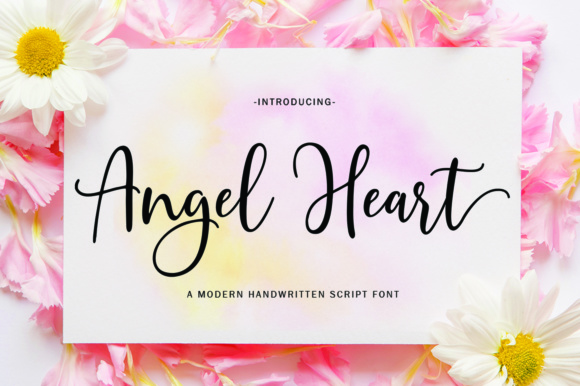
Scandya Script: The Art of Authentic Handwriting in Modern Design
There's a particular quality in genuine handwriting that digital type often struggles to replicate—the subtle pressure shifts, the slight inconsistencies, the organic flow that comes from a human hand moving across paper. Scandya Script captures this essence with remarkable fidelity, offering designers and creators a brush script font that feels less like a digital tool and more like an artistic collaborator. This isn't about mimicking imperfection for its own sake; it's about embracing the natural rhythm and character that makes handwritten communication feel personal and immediate.
The Anatomy of Scandya Script's Visual Personality
What makes Scandya Script distinctive isn't simply that it looks hand-lettered—it's how thoughtfully the letterforms have been constructed. The brush strokes carry visible weight variation, thinning naturally at curves and thickening where pressure would increase during actual writing. This creates a dynamic texture across words and phrases, preventing the monotonous repetition that plagues many script fonts. The baseline has gentle movement rather than rigid uniformity, and the connections between letters feel organic rather than mechanically calculated.
The font includes extensive alternate characters, which is where Scandya Script truly shines for anyone serious about creating authentic-looking typography. Rather than recycling the same letterforms throughout a word, you can swap in variations that mimic how a real hand would naturally change letter shapes depending on their position and surrounding characters. This capability transforms Scandya Script from a simple display font into a genuine design asset for projects where that hand-crafted appearance matters most.
Where This Script Font Creates Real Impact
Fashion branding represents one of Scandya Script's strongest applications. Luxury and boutique brands frequently seek that balance between sophistication and approachability—looking premium without appearing cold or corporate. The font's elegant brush strokes communicate craftsmanship and attention to detail, qualities that resonate with consumers who value authenticity in the brands they support. Think logo design for independent clothing lines, boutique jewelry brands, or artisan cosmetics companies where the product itself carries handmade or curated qualities.
Wedding-related design is another natural fit. Save-the-date cards, invitation suites, program booklets, and signage for events all benefit from typography that feels celebratory and personal. Scandya Script's flowing character works beautifully for names, dates, and decorative headlines while maintaining enough clarity to remain functional across different print sizes and materials.
E-commerce brands targeting style-conscious consumers can leverage this creative font across their visual identity—from website headers and product descriptions to social media graphics and email marketing templates. A well-chosen script font like Scandya can differentiate a brand in crowded digital marketplaces where most competitors rely on the same handful of safe, neutral typefaces. The key is using it strategically for headlines and accent text rather than body copy, where readability at small sizes becomes a genuine concern.
Building Brand Identity with Intentional Typography
Typography choices communicate volumes before anyone reads a single word. When Scandya Script appears in a logo or headline, it immediately signals certain values: creativity, warmth, personal attention, artisanal quality. This instant communication works powerfully for businesses that want to appear upscale yet approachable—think independent coffee roasters, boutique home goods stores, or lifestyle consultants who build their brand around personal connection.
However, effective brand identity requires consistency and restraint. Using Scandya Script across every touchpoint would overwhelm audiences and dilute its impact. Instead, pair it thoughtfully with complementary typefaces—a clean sans serif font for body text and functional elements, perhaps a classic serif font for secondary headings. This creates visual hierarchy where the script font draws attention to key messages while supporting typefaces handle the heavy lifting of longer content.
Consider how major brands use distinctive typography sparingly but memorably. Your logo might feature Scandya Script prominently, while your website uses it only for section headers or featured quotes. Your packaging could showcase it on the front panel while using a simpler typeface for ingredient lists and legal information. This selective approach preserves the font's special quality while maintaining professionalism and readability across all applications.
Practical Considerations for Working with Premium Fonts
Before committing to any creative font for a project, test it thoroughly in context. Set actual headlines and phrases you'll use rather than relying on specimen sheets or sample text. Examine how specific letter combinations look together—some script fonts handle certain pairings more gracefully than others. With Scandya Script's alternates, experiment with different character substitutions to find the most natural-looking results for your particular words and phrases.
Readability testing deserves special attention with any handwritten font. View your designs at the actual sizes they'll appear—on screen, on printed materials, on mobile devices. What looks charming at poster size might become illegible on a business card. Scandya Script's relatively clear letterforms help maintain readability better than many alternatives, but responsible designers still verify this rather than assuming.
Commercial licensing is another practical reality worth addressing upfront. If you're using Scandya Script for client work, merchandise, products for sale, or any commercial application, ensure your license covers that usage. Premium fonts represent significant investment in quality and legal compliance—using them properly protects both your work and your clients' interests. Review the specific terms before purchasing, particularly if your project involves web embedding, app development, or large-scale distribution.
Evaluating Font Pairings and Project Fit
Not every project benefits from a script font, regardless of its quality. Scandya Script works best when the design context calls for warmth, personality, and human connection. Technical documentation, medical information, legal content, or data-heavy presentations typically benefit from more neutral, highly legible typefaces. Recognizing when a particular font doesn't serve a project's goals is just as valuable as knowing when it does.
When pairing Scandya Script with other typefaces, contrast is your ally. The font's organic, flowing character pairs naturally with geometric sans serifs that provide clean, structured counterpoints. It also complements certain serif fonts with moderate contrast and open letterforms. Avoid pairing it with other decorative or heavily stylized typefaces, which creates visual competition rather than harmony. The goal is a cohesive typographic system where each typeface has a distinct role and clear hierarchy emerges naturally.
Ultimately, Scandya Script represents a specific aesthetic choice—one that brings genuine human warmth to digital and print design. Used thoughtfully, it transforms ordinary text into something that feels crafted and intentional, helping brands and projects connect with audiences on a more personal level. The difference between effective typography and mere decoration often comes down to understanding not just how a font looks, but what it communicates and whether that message aligns with your project's purpose and audience expectations.